
Table of Contents
ToggleIf you are planning to launch a cosmetic product in the UK or EU, one of the most important regulatory steps is obtaining a Cosmetic Product Safety Report (CPSR). Whether you are a small start-up creating handmade skincare products or a large manufacturer expanding into the European market, the CPSR is a legal requirement you cannot skip. This report ensures that your product is safe for human use and fully compliant with cosmetic regulations. But what exactly is a CPSR? Why is it needed? And how do you get one in the UK? This blog will guide you through all the essential information you need to know.
CPSR Meaning: What Does “CPSR” Stand For?
A Cosmetic Product Safety Report, commonly referred to as a CPSR, is a scientific safety assessment required for any cosmetic product placed on the UK or EU market. The CPSR verifies that a product is safe for consumers when used as intended and according to the manufacturer’s guidelines. Under the UK Cosmetics Regulation (Schedule 34 of the Product Safety and Metrology Statutory Instrument) and the EU Cosmetic Regulation (EC) No 1223/2009, a CPSR is mandatory before any product can be sold. It is also sometimes referred to as:
- CSPR (Cosmetic Safety Product Report — a commonly misspelt variation)
- Cosmetic product safety assessment
- CPSR safety assessment
Regardless of the name, the purpose remains the same: ensuring your cosmetic product is safe for public use.
What Does a CPSR Include?
The CPSR is a two-part document prepared by a qualified safety assessor, usually a cosmetic chemist, toxicologist, or a specialist with relevant scientific credentials.
Part A: Cosmetic Product Safety Information
This section includes detailed data on the product, such as:
- Full ingredient list with concentrations
- Toxicological profiles of each ingredient
- Product formulation details
- Impurities, traces, and packaging interactions
- Manufacturing compliance (GMP)
- Final product stability data
- Exposure assessments based on product usage
Part B: Cosmetic Product Safety Assessment
This is the expert’s scientific conclusion on whether the cosmetic is safe. It includes:
- Assessment conclusion
- Warnings, restrictions, and mandatory label statements
- Conditions of safe use
- Justification of safety
A CPSR can only be issued by a qualified and experienced cosmetic safety assessor.
Why Is a CPSR Required?
A CPSR is not just industry best practice; it is a legal requirement, and without it, a cosmetic product cannot be sold legally in the UK or EU, whether online, in stores, or at markets. A CPSR confirms that the product is safe for human use, the formulation complies with permitted ingredient limits, the packaging does not react with the formula, and the product fully meets regulatory standards. Businesses that sell cosmetics without a valid CPSR put themselves at serious risk, including fines, product recalls, permanent bans from selling, and potential legal action.
How to Get a Cosmetic Product Safety Report in the UK
Getting a CPSR may feel overwhelming, especially if you are new to cosmetic manufacturing. However, the process is straightforward when broken down into steps.
1. Finalise Your Formula
Before applying for a CPSR, you must have your exact product formulation clearly defined, including ingredient names, percentages, suppliers, and the grades or purity levels of each component. It is important to note that any change in the formulation at a later stage may require a new CPSR, as even small adjustments can affect the product’s safety assessment.
2. Gather Supporting Documents
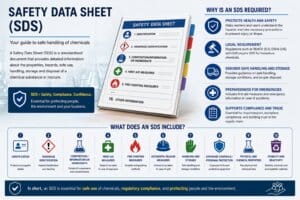
Safety assessors require several key documents to complete a CPSR, including MSDS (Material Safety Data Sheets) for each ingredient, Certificates of Analysis, product stability test results, preservative efficacy testing where applicable, packaging specifications, and detailed information about the manufacturing process. All these documents help assessors evaluate the overall safety of the final cosmetic product and ensure it meets regulatory standards.
3. Submit to a Qualified Safety Assessor
In the UK, a CPSR must be completed by a qualified professional who holds a degree in toxicology, cosmetic science, pharmacy, or a related field, along with proven experience in cosmetic regulations. These experts carefully review your formulation, documentation, and test results to prepare the official safety report and ensure the product is safe and compliant with legal requirements.
4. Review and Approve the CPSR
Once completed, the CPSR will clearly outline whether your product is safe for consumer use, identify any required label warnings, and highlight any formulation issues that need to be corrected before the product can be sold. After approval, the finalised CPSR must be stored in your Product Information File (PIF), as regulators may request it at any time to verify compliance.
5. Notify the Product on the UK SCPN Portal
After obtaining your CPSR, the next mandatory step is registering your product on the appropriate regulatory portals. For the UK market, you must submit the product details on the UK SCPN (Submit Cosmetic Product Notification) portal, while products intended for sale in EU countries must be registered on the EU CPNP. This official notification ensures authorities have full information about your cosmetic product before it becomes available to consumers, making it a crucial compliance requirement.
CPSR Assessment UK: What Does CPSR Certification Cost in the UK?
The cost of a CPSR certification in the UK varies depending on:
- Complexity of the formulation
- Number of ingredients
- Product type (e.g., cream, soap, makeup, fragrance)
- Whether multiple variants are assessed together
On average:
- Simple products: £80–£150
- Complex products: £150–£400
- Advanced formulations: £400+
Bundle packages are often available for product ranges.
Final Thoughts
A Cosmetic Product Safety Report (CPSR) is a crucial document for any cosmetic product sold in the UK or EU. It ensures your product is safe, compliant, and ready for the market. Understanding what a CPSR is, how to get one, and why it matters helps you build a trustworthy and legally compliant cosmetic brand. Whether you’re launching a single skincare product or developing a full beauty line, a CPSR safety assessment is the foundation of responsible cosmetic manufacturing.
Need Support Navigating UK & EU Regulations?
Let C4C simplify compliance and help your business achieve seamless market access with confidence.
Contact UsFAQs
Yes. All cosmetic products, whether handmade, small-batch, or mass-produced, must have a CPSR before being sold. There are no exemptions for small businesses, artisans, or hobbyists.
Most CPSR assessments typically take around 3 to 10 working days for simple cosmetic products. More complex formulations or products requiring additional testing may take 2 to 4 weeks.
A CPSR ensures legal compliance, protects consumers, prevents safety risks, reduces liability, and builds trust in your brand by demonstrating that your products meet strict safety standards.
You must provide MSDS sheets, Certificates of Analysis, stability test results, preservative efficacy test results (if applicable), packaging details, and full formulation information.
A CPSR can only be completed by a qualified safety assessor with a relevant degree (such as toxicology, cosmetic science, or pharmacy) and experience in cosmetic regulations.